


The Hindu Tradition Film
A Film, a visión, an idea, an experience…
The director and scriptwriter of this film, Mr. Julio Ozán Lavoisier, has devoted one half of his long life to Indian culture and the other half to Western culture. Through the comparison of the historical trajectory of these two civilizations, Ozan Lavoisier has felt the need to incorporate the general moral and spiritual bases of Indian tradition in the West as the latter has been invaded by a wave of materialism and has lost its indispensable premises for civilizational progress. In two books on the Philosophy of History he has tried to show why this incorporation was necessary, but since audiovisual aids are actually more accessible to a wider public, he has decided to make this extended series which in the manner of a short encyclopedia explains the different aspects of the Indian Tradition, its world view, its way of life, its arts, its beliefs and customs, etc. His main aim therefore is to amplify Indian culture, that he takes as a paradigm, in the West.
A documentary that reveal the way of seen and feeling that has proven to be effective in India for over 4000 yearh4

The Hindu Tradition
This film presents material gathered over 14 years in the most diverse and remote parts of India. As it is an ancient and complex civilization it has been often misunderstood and described superficially. The film tries to remove the most common misunderstandings and show distinctive expressions of Indian culture. We believe the time is ripe for this approach since India, as it has been rightly said, being the spiritual reservoir of the planet, has the right antidote to the materialism that has invaded the minds in modern societies. This internal and external invasion creates a perspective from which the spiritual reality seems so distant and faint that it tends to gradually disappear. The value of the Indic tradition has been to always keep spiritual reality front and centre. This film aims, with its many images and succinct explanations to restore this spiritual perspective without which any project towards civilization is doomed to failure. It is not intended to preach any belief system but rather to show the way of seeing and feeling that has proven to be effective in India for over 4000 years; an example without parallel in the history of the world.
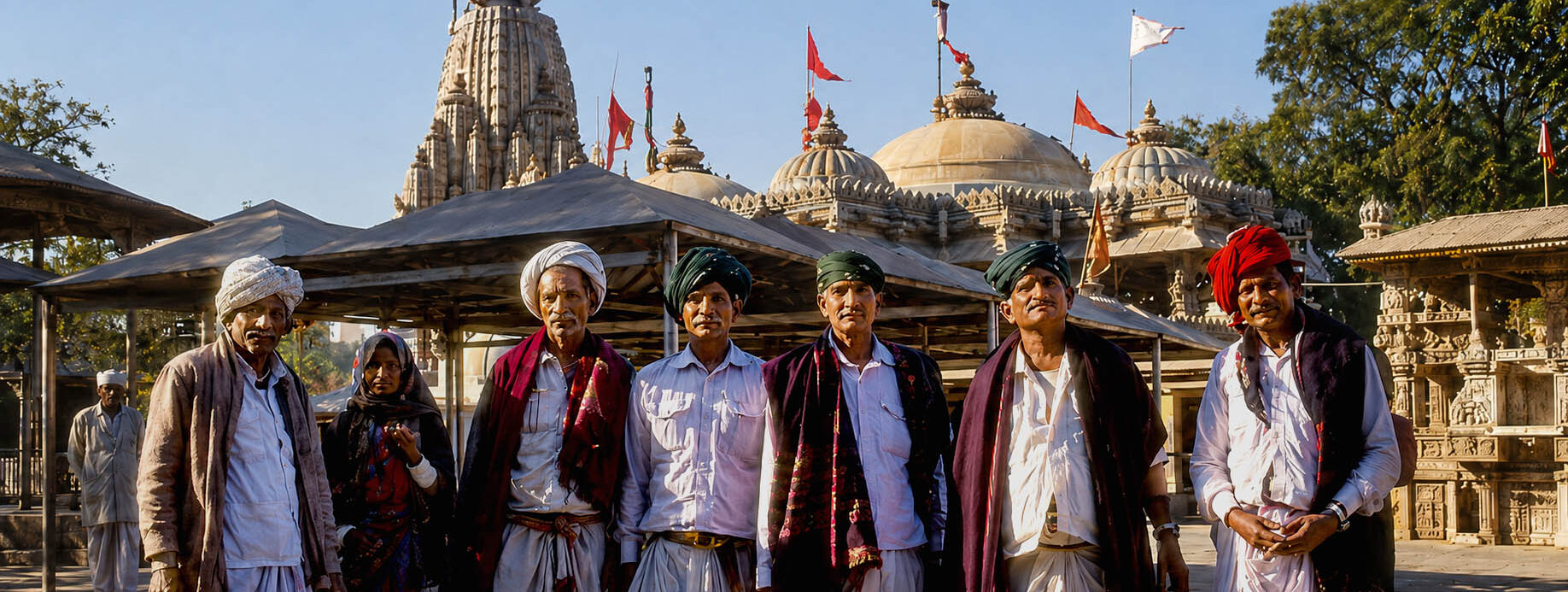
More than 40000 kilometres traveled, Material gadhered over 14 years, More than 3 year for its edition, 20 personalities interviewed.
Places where it has been filmed
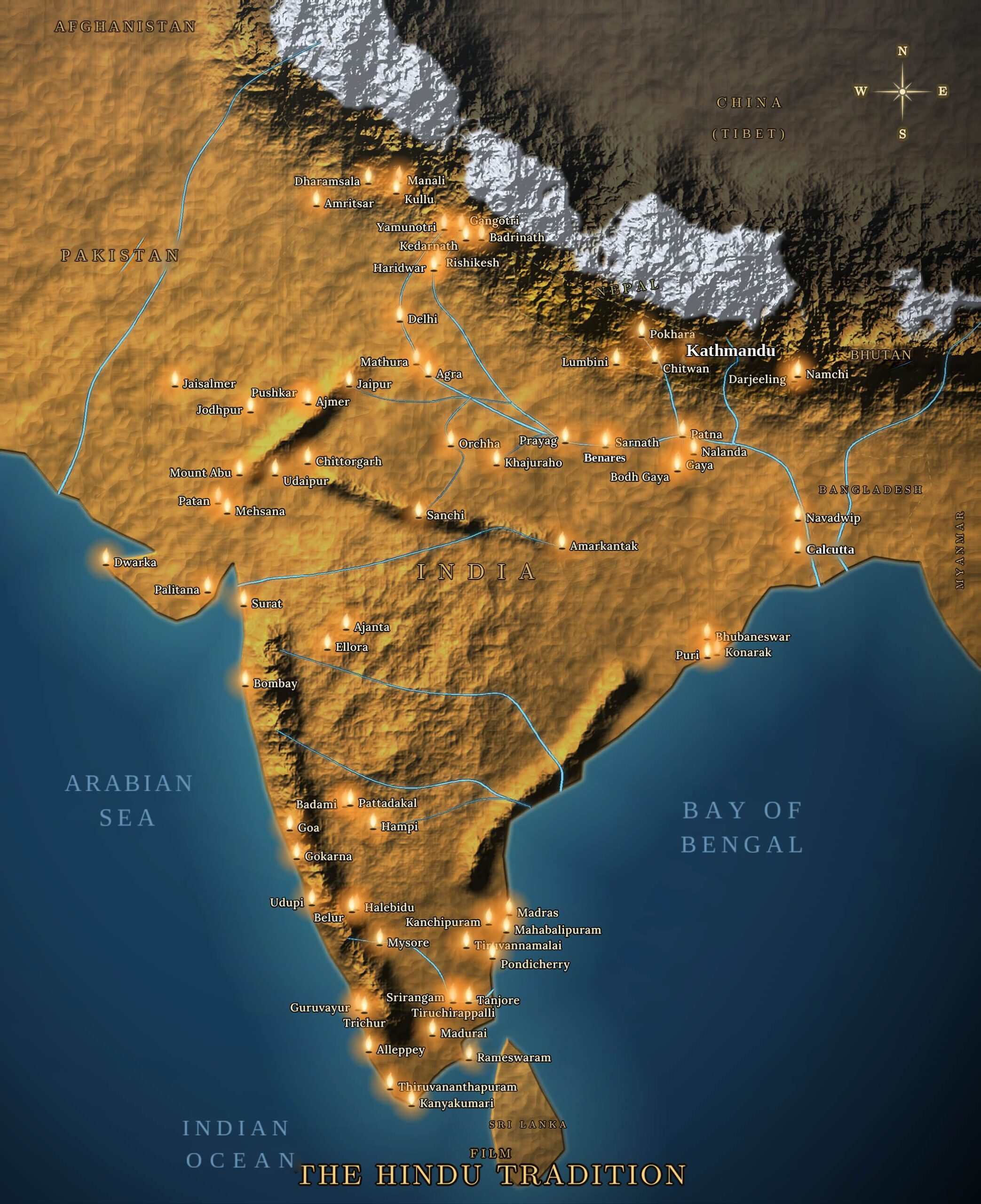
Locations where Julio Ozán and his brother Pepe filmed The Hindu Tradition
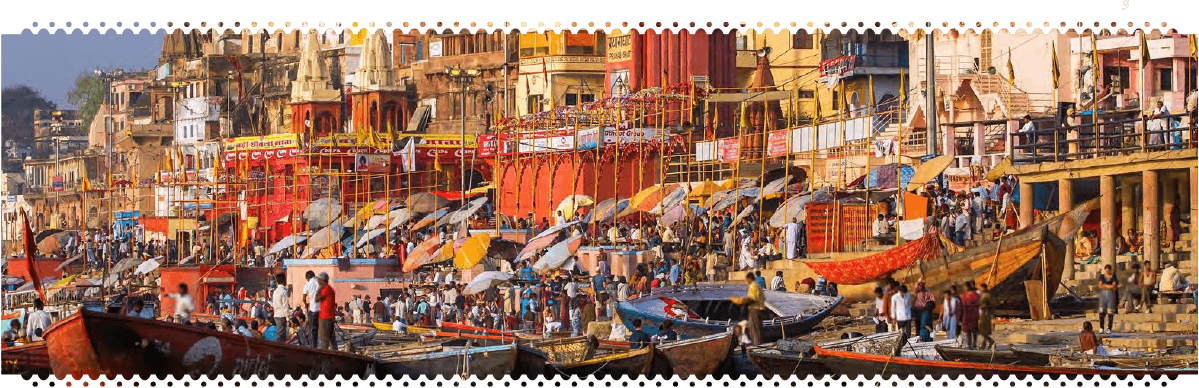
Main topics
The film aims to restore a spiritual perspective without wich any proyect toward civilization is doomed to failure.
The present edition contain 24 chapters of the series of 30 minutes each, in order to be exhibit in TV; there is also a versión of four films of 2 hours each to be shown in cinema halls
- The Doctrine and The Ganges
- Education, Schools, Ashrams and Varnas
- East & West
- Spiritual life and The Himalayas
- Art & Crafts
- Music
- Dance
- Devotion & Rituals
- Ceremonies
- Funerals
- The Hindu Trinity
- Gods & Godesses
- Mayor Festivals: Jagannath – Diwali
- Mayor Festivals: Maha Kumbh Mela
- Temples
- Art amond the ruins
- Temples and sculptures
- City temples
- The largest City temple – Sridangam
- Fortresses
- Pilgrimages
- Prossesions
- Local festivals
- Rural life
Featured Interviewees
Gurus, professors, knowlwedgeable people and sadhus with spiritual experience have been interviewedl.

1- Sri K. S. Narayanacharya
Doctor in English Literature; prolific writer and lecturer; Director of the National Institute of Kautilya Studies. Bangalore.
2 – Swami Chidanand Saraswati
President of Parmath Niketan Ashram. Rishikesh.
3 – Dr. Kamalesh Datta Tripathii
Professor of Aesthetics. Honorary Coordinator and Head of Division. Indira Gandhi National Centre for the Arts. Benares.
4 – Swami Jeeyar
President of the Vedic Academy. Badrinath; Hyderabad.
5 – Côme Carpentier
Writer and lecturer. Editorial Coordinator. Journal of International Affairs. New Delhi.
6 – Rani Preethi Singh
Daughter of the Raja of Kochaman.
7 – Julio Ozán Lavoisier
Philosopher and writer.
8 – Dr. Kalamandan Radhika
Professional dancer. Trisshur, Kerala.
Purpose of the Film
The film intent to contribute to a convergence of the East and the West in their more positive aspects
The film is addressed not only to Westerners as Hindus have also been invaded by materialism, particularly in large cities where temples are often hidden by offices and commercial buildings. Therefore it focuses on rural areas where the Dharma, the Hindu tradition, has remained more authentic. For the same reason the depiction of poverty and other ills, so often portrayed in other documentaries, has been avoided. The film is not intended to hide negative aspects in order to present an idealized society, but to show what is exemplary about India and can be helpful for everyone to see and reflect on.
We believe that this film can help the West to rediscover its spirit, precisely in its Indo-European roots, and Hindus to remember their illustrious past, and thereby contribute to a convergence of the two cultures in their more positive aspects.
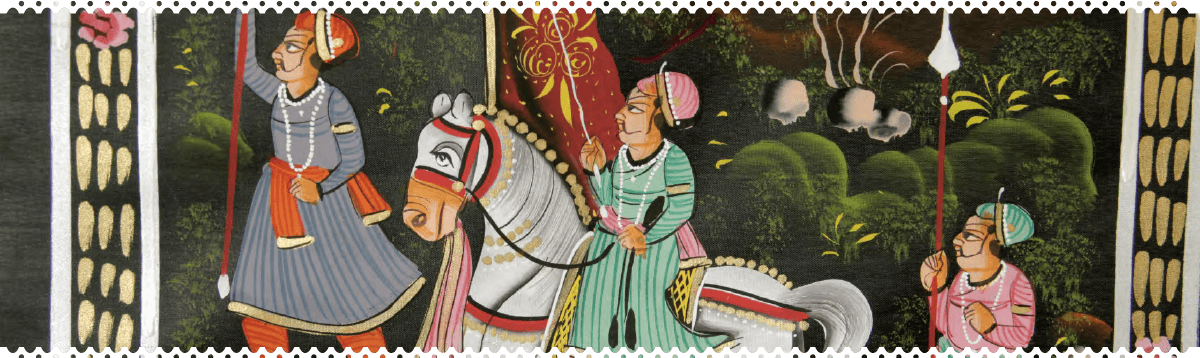
Knowledge, reflection, insight…
Considering the evolution of man, is this lesson that we have to learn from the hindus: In spite of our technology most people have not changed their mind and are still in the animal stage of survival, are still dominated by fears and desires.
The hindu aspiration is to overcome this animal stage, to liberate us from this fears and desires in order to transform us into a more complete beings, governed by wisdom and living in happiness.
(Julio Ozán Lavoisier)
Trailers y Making of
A film that aspire to be a sort of a visual encyclopedia of the Hindu tradition

Technicals guides
- Director, Productor and script: Julio Ozán Lavoisier.
- Editor: Carlos Canale, Director del Estudio Exagrama, Mendoza, Argentina
- Interviews realized by: Julio Ozán Lavoisier & Pepe Ozan
- Cameras: Julio Ozán Lavoisier & Pepe Ozan
- Translations: from the original English to Spanish: Julio Ozán Lavoisier
- Motion graphics: Alejandro Asalgado
- Graphic design: Marcelo Drago, Fby Exagrama.
- Music for the film:
- Manoj Dubey, Benares, Recorded at Mahadev Audio Recording Studios, Varanasi, by Julio Ozán Lavoisier
- Music: O.S. Arun. Album: “Shambho Mahadeva Deva”. Digitally Recorded at Charsur Studios, Chennai
- Music de “Primatea Rei”, Themes: Ganga – Vishnu and others recorded by Pepe Ozan

Ozán Lavoisier Productions
www.ozanlavoisier.com.ar
ozanlavoisier@gmail.com
thehindutradition